
Wellness
Ghana Satva: How Ayurveda's Concentrated Herbal Extracts Are Made

Key takeaways
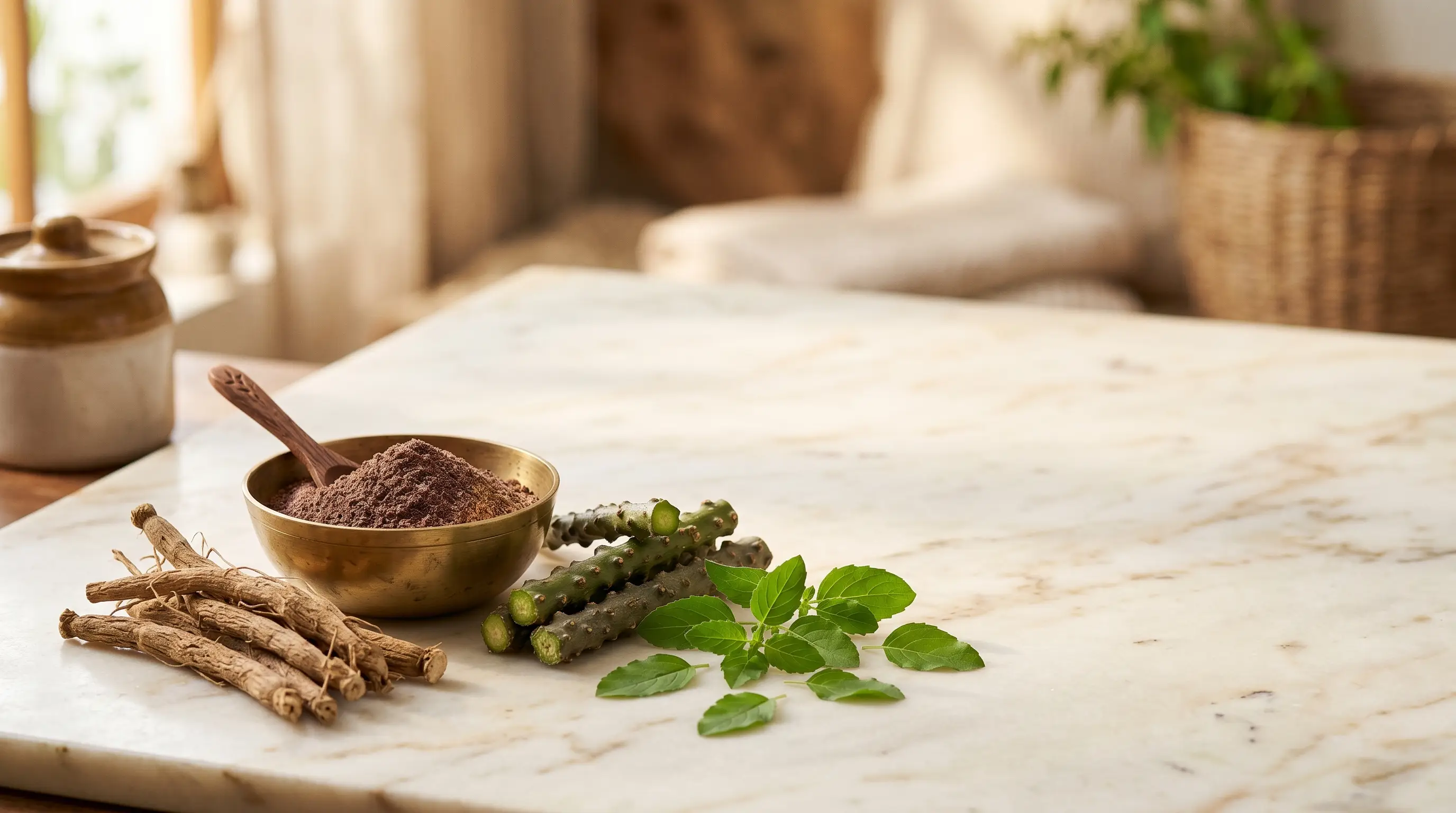
- "Ghana Satva" is a classical Ayurvedic pharmaceutical term — ghana means concentrated or solid, and satva means the essence or active principle of an herb.
- It is made by preparing a kwatha (herbal decoction), filtering it, and then slowly reducing it over sustained heat until it sets into a concentrated solid mass — a method described in classical pharmaceutical texts like Sharangdhara Samhita.
- "Concentrated" describes the traditional method of preparation, not a promise of faster or stronger results — the classical principle of matra (the right dose for the right person) still applies.
- Tanvishataa's 100mg-per-tablet extract of Shatavari, Guduchi and Anantmul, in a disclosed 80:15:5 ratio, is prepared using this classical Ghana Satva method.
What does "Ghana Satva" actually mean?
The term comes from two Sanskrit words. Ghana (घन) means dense, solid, or concentrated. Satva (सत्त्व) means essence, vital substance, or active principle. Put together, Ghana Satva refers to a concentrated solid extract — prepared by reducing an herbal decoction until most of the water is removed and what remains is the herb's essence in a small, measured form.
Why not just use the raw herb powder (churna)?
Churna is dried herb ground into a fine powder — a full spoonful of raw plant material, bulk and all. A Ghana Satva concentrates the same herb's traditional essence into a much smaller, measured amount. Both are legitimate, classical forms of preparation described in Ayurvedic pharmaceutics; a Ghana Satva simply changes the form the herb is taken in, not its traditional identity or classification.
The classical process, step by step
- Selecting and cleaning the right part of the herb — root, stem, or whole plant — depending on its classical indication (for example, Shatavari's root or Guduchi's stem).
- Preparing a kwatha: boiling the coarsely powdered herb in water and reducing it, following classical proportions of herb to water.
- Filtering the decoction to remove the spent plant material, leaving a clear liquid extract behind.
- Slowly reducing the filtered liquid over sustained, controlled heat, stirring continuously as it thickens.
- Continuing the reduction until the liquid concentrates into a semi-solid, and finally a solid mass — the ghana.
- Drying and processing the solid ghana into a fine powder so it can be measured accurately and formulated into tablets.
Does "concentrated" mean it works faster or stronger?
Not by itself. "Concentrated" describes the traditional method of preparation — reducing bulk while retaining the herb's essence — not a promise of faster, stronger, or guaranteed results. Ayurveda's classical principle of matra (the right dose for the right person) still applies to any concentrated extract. How a preparation suits an individual depends on their constitution, digestion, and overall health, and this is best assessed by a qualified Ayurvedic physician — not assumed from a word on a label.
Where does Ghana Satva fit into Tanvishataa?
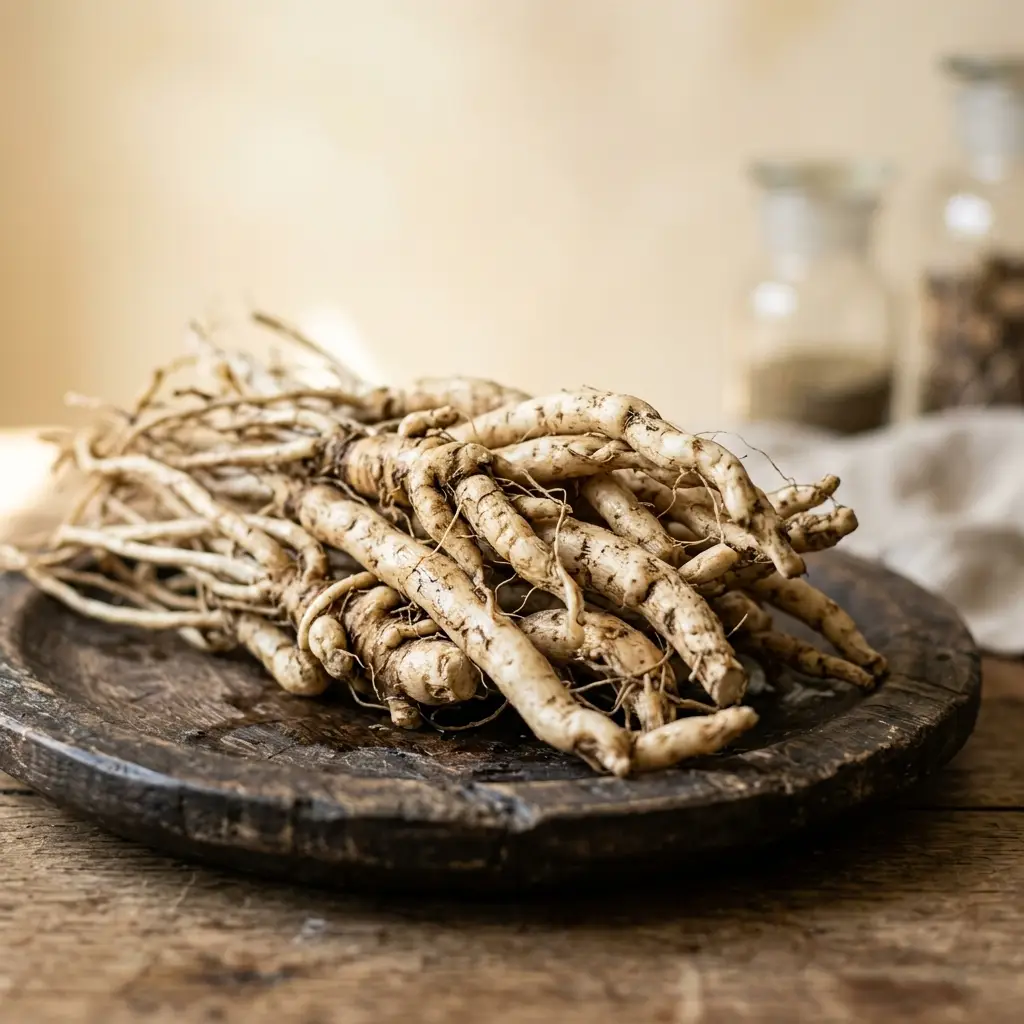
Tanvishataa is formulated using this classical Ghana Satva method — 100mg of concentrated extract per tablet, made from Shatavari, Guduchi (Gulvel), and Anantmul in a disclosed 80:15:5 ratio. Each tablet represents a measured, concentrated form of these three herbs rather than raw powder, prepared under a valid Ayurvedic manufacturing licence. It is traditionally used to support everyday nourishment and wellness as part of a balanced routine — not a treatment for any diagnosed disease.
When should you speak to a doctor before starting any concentrated herbal extract?
Before starting Tanvishataa or any concentrated herbal supplement, speak with your doctor and a qualified Ayurvedic physician first — especially if you are pregnant or breastfeeding, managing a chronic condition, on regular medication, or considering it for a child or elderly family member.
References & further reading
- Sharangdhara Samhita, Madhyama Khanda — classical description of kwatha (decoction), kalka (paste), and concentrated ghana preparation methods in Ayurvedic pharmaceutics (classical Ayurvedic text).
- Charaka Samhita, Sutra Sthana — the classical principle of matra (correct dosage for the individual), applicable to any herbal preparation (classical Ayurvedic text).
- Ashtanga Hridaya by Vagbhata — classical guidance on individualised assessment before recommending any herbal preparation (classical Ayurvedic text).
- Sushruta Samhita — classical emphasis on understanding a preparation's traditional processing and intended use (classical Ayurvedic text).
- These references describe traditional Ayurvedic pharmaceutical principles and are not statements of modern clinical efficacy.
Ayurvedic wellness tips, guides and stories — in your language.
Buy NowFrequently asked questions
What does Ghana Satva mean?+
Ghana Satva is a classical Ayurvedic pharmaceutical term. "Ghana" means concentrated or solid, and "Satva" means essence or active principle — together referring to a concentrated solid extract made by reducing an herbal decoction.
Is Ghana Satva stronger than churna (raw powder)?+
Ghana Satva is more concentrated by volume than raw churna, since much of the water content is removed during preparation, but this describes the form of preparation, not a guarantee of stronger or faster results.
How is a Ghana Satva made?+
Classically, the herb is decocted (boiled and reduced) into a kwatha, filtered, and then slowly reduced further over sustained heat until it sets into a solid concentrated mass, which is dried and processed into a fine powder.
Is Tanvishataa made using the Ghana Satva method?+
Yes. Tanvishataa's 100mg-per-tablet extract of Shatavari, Guduchi and Anantmul, in a disclosed 80:15:5 ratio, is prepared using the classical Ghana Satva concentration method.
Does a concentrated extract mean I'll see results faster?+
No. "Concentrated" describes the traditional method of preparation, not a promise about speed or strength of results. Individual response varies, and Tanvishataa should be used as directed, alongside a doctor's guidance if you have any health condition.
Dr Rucha Mehendale Pai
BAMS (Ayurvedacharya) · Nadi Parikshan Expert
Dr Rucha is an Ayurvedic physician with over a decade of clinical practice in women’s health, digestion and lifestyle wellness, and the formulator behind Tanvi Herbals’ Tanvishataa. She writes to bring authentic, everyday Ayurveda to families across India.