
Wellness
Exam Season Energy the Ayurvedic Way: Food, Sleep and Routine for Students
Key takeaways
- Ayurveda treats stamina as something built from digestion (agni), sleep (nidra) and routine (dinacharya) — and exam season tends to disturb all three.
- Warm, regular meals and an early, light dinner matter more than any late-night snack or strong tea.
- Sleep is described in the classical texts as one of the three pillars of life (trayopastambha); cutting it short for extra revision works against steady energy.
- Any herb or supplement for a student under 18 — including Tanvishataa — should only be considered on the advice of a doctor or Ayurvedic physician.
It is 11:40 p.m. and the study lamp is still on. There is a cold cup of chai beside a half-eaten snack, and tomorrow’s paper is in six hours. If you are a parent watching this from the doorway, you are not alone — every year, exam season turns many Indian homes upside down.
Why does energy drop so quickly during exam season?
Ordinary stress, long sitting hours, irregular meals and short sleep all arrive together. Ayurveda describes this combination as a disturbance of agni, the digestive fire, and of the daily rhythm that keeps the body steady. When meals are skipped, replaced with packaged snacks or pushed late into the night, a student can feel heavy, restless or foggy even while studying hard.
Which food habits help steady everyday energy?
The classical approach is simple and, happily, family-friendly:
- Eat at regular times — a proper breakfast, a warm lunch and an early, light dinner
- Prefer freshly cooked, warm food: khichdi, dal-rice with a little ghee, vegetable soups, seasonal fruit
- Keep very oily, fried, packaged and ice-cold food to a minimum, especially close to bedtime
- Limit repeated cups of strong tea or coffee late in the day; they can crowd out proper meals and disturb sleep
- Sip warm water through the day instead of reaching for sugary drinks
Do not let dinner become a snack
A light, early dinner — ideally two to three hours before bed — gives the body time to digest before sleep. Late-night heavy snacking is one of the habits Ayurveda most often asks families to change.
How much do sleep and routine really matter?
A great deal. Ayurveda describes nidra as one of the pillars that hold up health, and a rested student is simply better placed to work through a long revision day. Many families find it helpful to keep a fixed wake-up time, take a short walk or light stretching after study blocks, avoid screens in the last half-hour before bed, and keep one proper break for sunlight each day.
A small evening wind-down
Warm water or a light, unsweetened warm drink, dim lights, a few slow breaths and a closed book before bed tell the body that the day is over. It is a small habit, and often the one that is hardest to protect during exams.
What about herbs and supplements for students?
Habits come first, and for children and teenagers any herb should be given only on the advice of a paediatrician or Ayurvedic physician, who will consider age, constitution and any medication. Tanvishataa — a 100% herbal blend of Shatavari, Gulvel (Guduchi) and Anantmul, concentrated using the classical Ghana Satva method — is traditionally used to support everyday immunity and digestion in adults, generally as two tablets twice a day after meals. It is not a substitute for food, sleep or study planning, and it is not intended for students under 18 unless a doctor advises it.
When should you see a doctor instead?
Tiredness during exams is common, but please see a doctor if your child has persistent exhaustion that does not improve with rest, repeated headaches, loss of appetite, unusual weight change, fainting, low mood or constant anxiety, trouble sleeping for several weeks, or any symptom that worries you. If a student is on regular medication, do not add or stop anything without medical advice. This information is for educational purposes only and is not a substitute for medical advice. Please consult a qualified Ayurvedic physician before use, especially during pregnancy, lactation, chronic illness, or ongoing medication.
References & further reading
- Charaka Samhita — trayopastambha (three supports of life: ahara, nidra, brahmacharya) and the role of agni.
- Ashtanga Hridaya by Vagbhata — dinacharya (daily routine) and ahara vidhi (rules of eating).
- Sushruta Samhita — guidance on regular, wholesome diet and daily regimen for maintaining health.
- These references describe traditional Ayurvedic concepts and are not statements of medical fact.
Ayurvedic wellness tips, guides and stories — in your language.
Buy NowFrequently asked questions
Can Ayurveda boost a student’s stamina quickly before exams?+
No. Ayurveda looks at stamina as something built slowly through meals, sleep and routine. There is no instant fix, and nothing here is a treatment for any condition.
Is it okay to study late at night?+
Occasional late nights happen, but Ayurveda stresses regular sleep. Short, regular study blocks with enough rest are generally more sustainable than repeated all-nighters.
What should a student eat on exam days?+
Traditionally, a warm, freshly cooked, easy-to-digest meal — such as khichdi or dal-rice with a little ghee, with seasonal fruit — at regular times, and a light early dinner.
Can students take Tanvishataa?+
Tanvishataa is traditionally used for adult everyday immunity and digestion support. Please do not give it to a student under 18 unless a paediatrician or Ayurvedic physician advises it and sets the dose.
How do I know if exam tiredness needs a doctor?+
See a doctor if exhaustion is persistent, sleep or appetite are badly affected, there are fainting spells or repeated headaches, or the student seems unusually anxious or low — and any time you are worried.
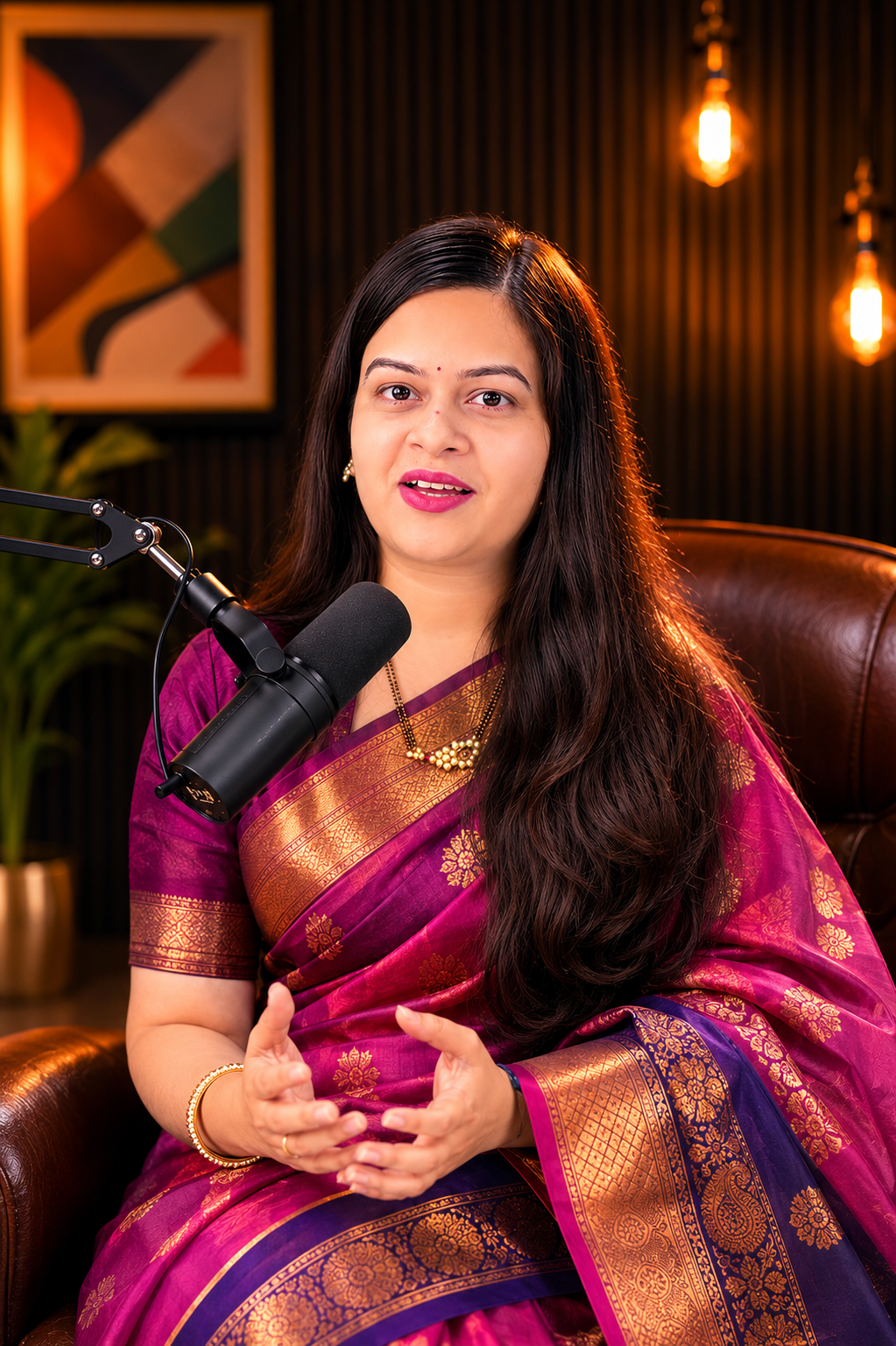
Dr Rucha Mehendale Pai
BAMS (Ayurvedacharya) · Nadi Parikshan Expert
Dr Rucha is an Ayurvedic physician with over a decade of clinical practice in women’s health, digestion and lifestyle wellness, and the formulator behind Tanvi Herbals’ Tanvishataa. She writes to bring authentic, everyday Ayurveda to families across India.